
Introduction
Firstly, keeping your surfaces clear without effort matters more than most people realise because your environment directly affects your mood. When every table, counter, and shelf stays clean, your home feels calmer and more inviting. This article will show you how effortless surface decluttering can become a natural part of your day rather than a chore. Clearing surfaces improves focus, comfort, and the way you move through your home.
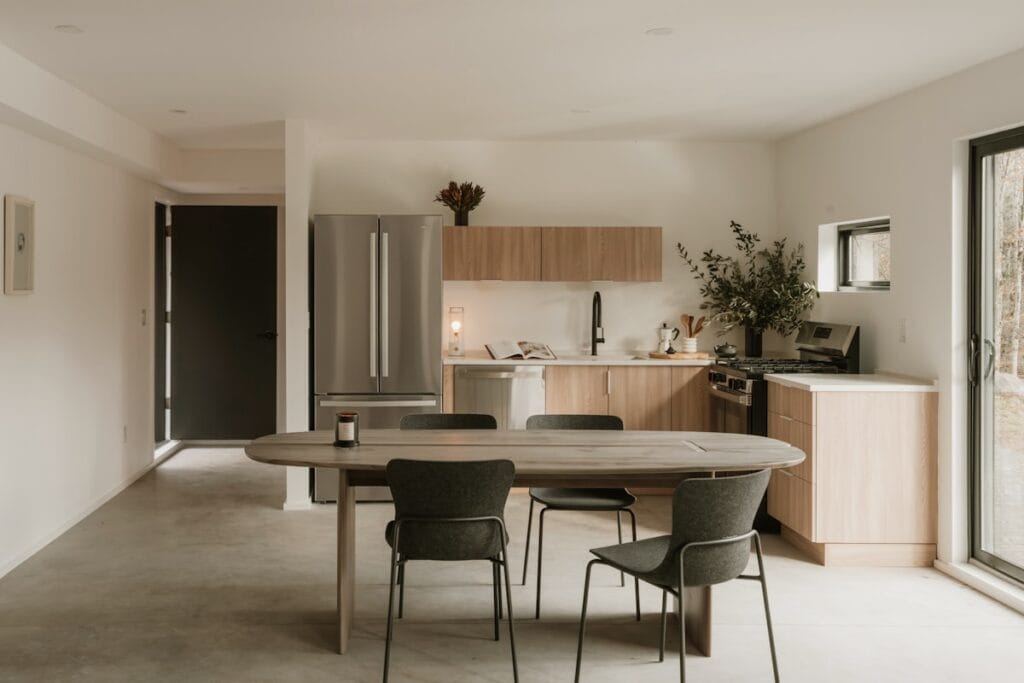
Secondly, many people struggle not because they are messy, but because their homes are not set up to support effortless habits. When clutter has nowhere else to go, it ends up on the nearest flat space. By reshaping your home’s flow and making clear surfaces the default, you remove the friction that normally causes things to pile up. These steps will help you maintain effortless surface decluttering in a way that suits a real-life household.
Finally, it is helpful to understand what “effortless” truly means: it is not perfection or rigid discipline, but creating systems that work even on your busiest days. With simple routines, thoughtful placement, and small habits, you’ll find that surfaces begin staying clear automatically. This approach helps you spend less time tidying and more time enjoying the spaces you’ve created.
Step 1: Remove the Landing Zones That Feed Clutter
To begin, many surfaces accumulate clutter simply because they act as default landing zones for whatever you bring into the house. By identifying these hotspots and redirecting items to more appropriate homes, effortless surface decluttering becomes much easier. Choose one surface at a time and clear it completely, then remove or replace anything nearby that encourages dumping. When there’s no obvious “temporary” spot, things naturally go where they belong.
Step 2: Create a Daily Reset That Takes Under Two Minutes
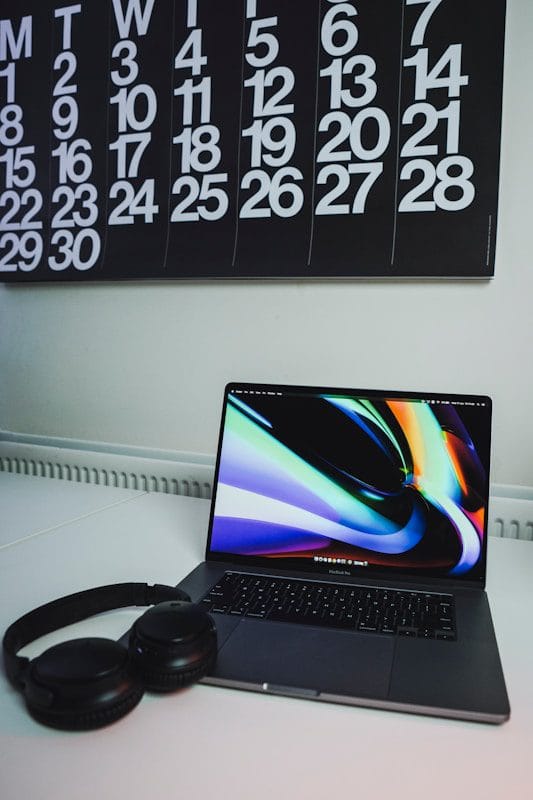
Next, the key to effortless surface decluttering lies in micro-habits, not deep cleaning sessions. A two-minute daily reset prevents small accumulations from becoming overwhelming. Choose the same time each day—often after dinner or before bed—and sweep through your main surfaces. Because you’re dealing with small amounts, it stays simple and fast, and your surfaces remain consistently clear.
Step 3: Assign Each Daily-Use Item a Permanent, Logical Home
Afterwards, give every frequently used item a storage spot that makes sense based on where you actually use it. When the home is convenient, things naturally return there without thought, supporting effortless surface decluttering. Keep storage open and easy to reach so putting items away takes even less effort than leaving them out. This reduces decision fatigue and keeps surfaces free.
Step 4: Limit the Number of Display Items on Each Surface
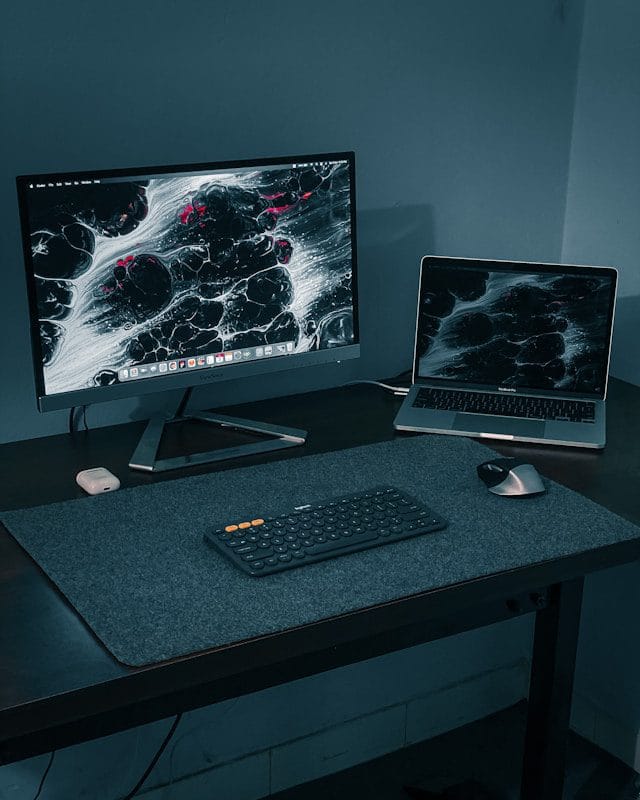
Meanwhile, many surfaces feel cluttered because they hold a mixture of practical items and too many decorative pieces. By intentionally limiting display items, you create visual calm and reduce the space available for clutter to settle. This helps you maintain effortless surface decluttering because everything looks complete with fewer objects. A clear surface naturally signals calm and order.
Step 5: Use Containment to Prevent Small Items Spreading
Additionally, small objects such as keys, receipts, and chargers often create the illusion of mess. Using a single tray or small container on a nearby shelf—not the main surface—keeps these items corralled. This supports effortless surface decluttering by offering a controlled space for daily bits and pieces. When small items have a boundary, they stop taking over your surfaces.
Step 6: Reduce Duplicates That Overwhelm Spaces
Similarly, numerous duplicates of everyday items often spill onto surfaces because they do not fit comfortably elsewhere. By choosing your favourites and letting go of excess, you instantly free space for proper storage. This makes effortless surface decluttering far more achievable because fewer items means fewer opportunities for overflow. Removing duplicates also makes your home feel lighter and easier to manage.
Step 7: Use Vertical Space So Horizontal Surfaces Stay Clear
Consequently, vertical storage solutions help remove the pressure on countertops and tables. Hooks, shelves, and wall-mounted organisers give items a place to live without stealing surface space. This shift greatly supports effortless surface decluttering because you no longer rely on flat surfaces for everyday storage. When vertical areas carry the load, surfaces remain clear by default.
Step 8: Build a One-Minute Doorway Drop-Off Routine
Likewise, what happens in the first minute after you walk through the door often shapes the rest of the house. Create a tiny routine: bags on a hook, keys in a dish, letters into a folder. When these actions happen automatically, effortless surface decluttering becomes the natural outcome. Your entryway stays functional and your main living spaces remain calm.
Step 9: Make Surfaces Unappealing to Clutter
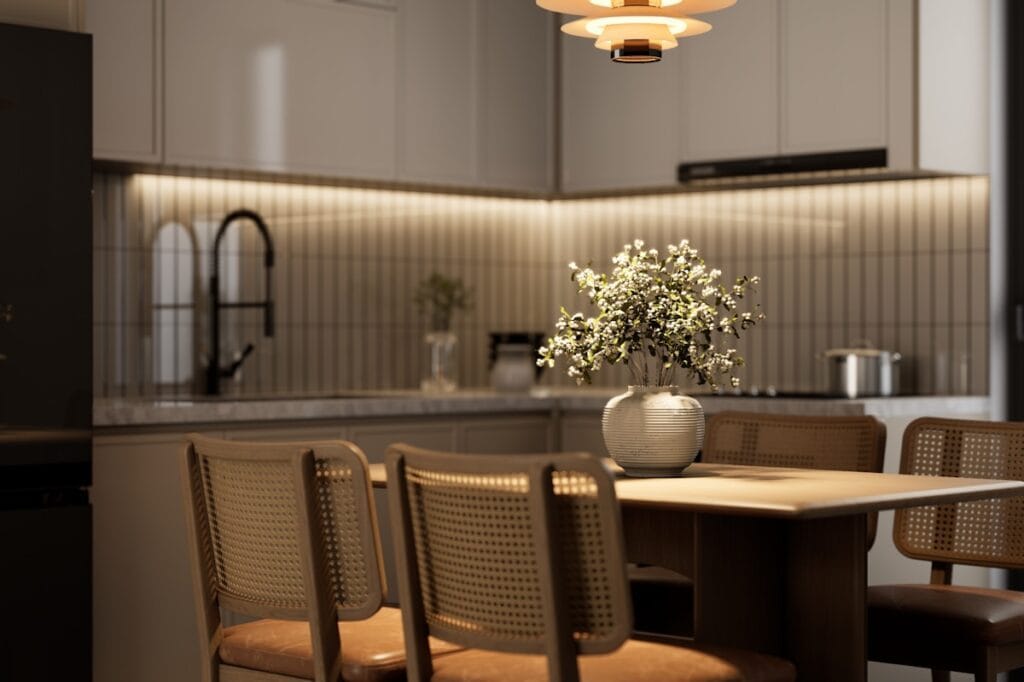
Furthermore, surfaces that appear “ready” often invite things to accumulate. You can discourage this by placing a simple centrepiece, a small plant, or a single decorative object that sets a clear intention. This doesn’t add clutter; it prevents clutter because items feel out of place when added around it. This subtle trick enhances effortless surface decluttering by influencing behaviour without effort.
Step 10: Create a Weekly Light Sweep to Prevent Backsliding
Finally, while daily resets keep things tidy, a weekly sweep ensures deeper clutter doesn’t creep in over time. Spend a few minutes checking for items that migrated onto surfaces during busier days. This gentle routine reinforces effortless surface decluttering by keeping everything in check with minimal time invested. It also helps you stay aware of what truly belongs on each surface.
FAQ
What if I live with people who constantly leave things out?
Shared homes often create mixed habits, but systems can help everyone behave more consistently. Start by making storage obvious, convenient, and close to where items naturally land. When the home is intuitive, people need far less effort to keep surfaces clear. Over time, the environment nudges everyone into better habits.
How do I stop clutter from returning after I’ve cleared everything?
Clutter returns when your space lacks systems that support quick, effortless tidying. Build small habits, assign homes for daily-use items, and use simple containment to prevent spread. When your environment makes it easier to put things away than to leave them out, surfaces stay clear naturally. These strategies eliminate the cycle of redo-and-backslide.
What should I do with items I don’t use daily but still need?
Store these items in dedicated spaces that are out of sight but still simple to access. Seasonal, occasional, or specialised items shouldn’t live on your surfaces, but they do need thoughtful placement. Clear categories and labelled areas make retrieval easy without cluttering your main spaces. This keeps surfaces visually open while ensuring your home remains practical.
Conclusion
Ultimately, keeping surfaces clear without effort depends on designing routines and spaces that work for you even on busy days, which we explored in our previous article. By simplifying your environment, reducing friction, and giving items clear homes, you create a natural rhythm where clutter doesn’t build up. These strategies make your daily life calmer and more comfortable with very little ongoing work. When surfaces stay clear, your home feels lighter, easier to navigate, and far more enjoyable.
Finally, maintaining this state becomes almost automatic once your systems are in place. With time, you’ll notice how much more relaxed your home feels and how quickly you can reset any room. The aim is not perfection, but a space that supports you effortlessly.
This idea connects perfectly to what we covered in the previous article, Reclaim Calm: 5-Minute Reset Routines for a Stress-Free Home.