
Decluttering your living room can feel overwhelming, especially when it’s the space where everything seems to pile up. Because it’s the heart of the home, it quickly becomes the dumping ground for post, mugs, toys, and random items with no home. That’s why learning how to declutter your living room effectively has such a big impact—not just on how your space looks, but on how you feel when you walk into it.

When your living room is clear, you relax faster, think clearer, and enjoy spending time there more. Even small improvements can instantly make the room feel calmer. Luckily, you don’t need a full makeover; you just need a simple, structured approach that actually works.
Below are seven practical steps that make decluttering your living room fast, realistic, and repeatable.
1. Clear Flat Surfaces Daily (Declutter Living Room Essential)
Flat surfaces are clutter magnets—coffee tables, sideboards, TV stands, window sills. Tackle these first because they give the biggest visual change with the least effort. Keep only a maximum of 3 intentional items on any surface.
This instantly makes your living room look cleaner and keeps visual noise down.
2. Donate Unused Items to Free Up Space
Unused décor, old magazines, forgotten games—these things quietly eat your space. Create a donation box and fill it every time you find something you haven’t used in months. This helps you declutter your living room while doing something good with the items you no longer need.
3. Use Baskets for Small Items
Baskets hide chaos but still keep items accessible. Remote controls, chargers, coasters, small toys—anything small should live in one contained space. This reduces the scattered look and gives your living room a more organised, intentional feel.
4. Limit Decorative Clutter
Too many decorations make the room feel busy rather than cosy. Keep only a handful of items that genuinely add value to the space. A few statement pieces look far better than twelve competing items. This step alone helps you declutter the living room without losing style.
5. Create Zones for Daily Items
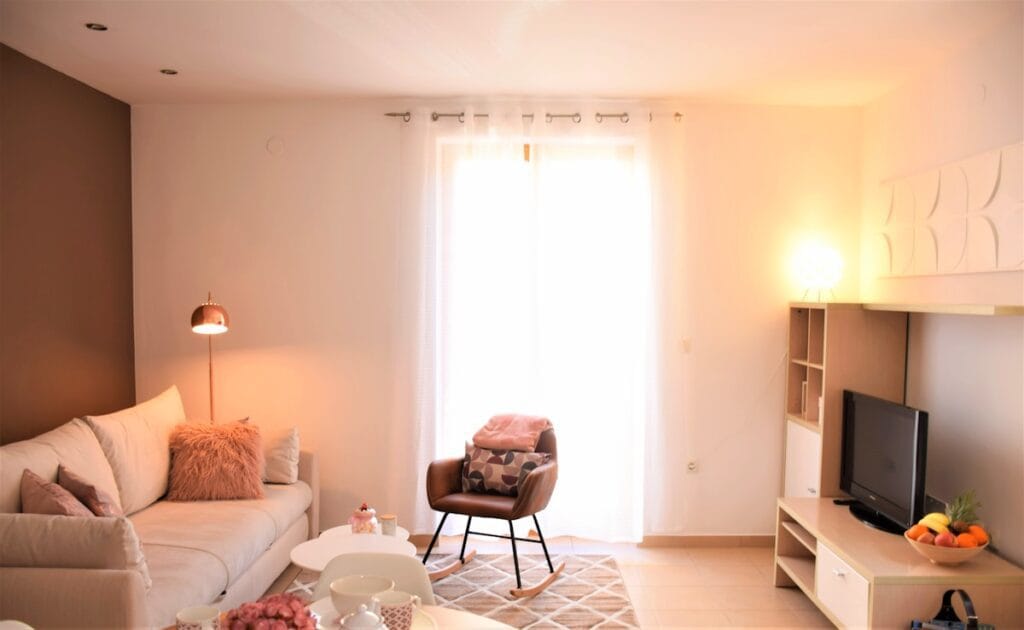
Give everything a place: a basket for blankets, a stand for books, a tray for remotes, a drawer for chargers. When items have a home, they don’t float around the room causing constant mess. Zones make it easier for the whole household to stay consistent.
6. Label Storage Containers
Labelling isn’t just for aesthetics—it prevents clutter from creeping back. Labels stop items being placed “wherever” and make tidying up quick and effortless. This is especially helpful if you share the space with kids or messy adults.
7. Rotate Seasonal Items or Toys
If your living room collects seasonal décor or kids’ toys, rotate them instead of keeping everything out year-round. Put half away in storage and swap them out every month or two. This keeps the room fresh, reduces visual clutter, and stops the overwhelming sense of “too much stuff.”
FAQ
How do I start decluttering my living room when it feels overwhelming?
Start with surfaces. Clearing flat areas gives instant motivation and makes the rest of the room feel easier to tackle.
How often should I declutter my living room?
A quick daily reset plus a deeper declutter once a month keeps the space under control without needing hours of work.
How do I stop clutter from coming back?
Create storage zones, use baskets, and label containers. When everything has a place, mess has nowhere to settle.
Conclusion
Decluttering your living room doesn’t need to be complicated. When you follow these seven steps, you create a calm, functional space you actually want to spend time in. Start small, keep it simple, and build the habit day by day.
If you want more room-by-room organisation, make sure you check out our previous article: The Ultimate Kitchen Storage Hacks for Calm, Tidy Living — it pairs perfectly with this guide.