
Introduction
In today’s fast-paced world, having a calm, stress-free living space can make a huge difference in our overall well-being. A peaceful home environment not only supports relaxation but also contributes to a positive, balanced mood. When your space is designed with intention and care, it can help you feel grounded, reduce anxiety, and boost your sense of comfort.
By making small, mindful adjustments to your living space, you can significantly improve how you feel when you’re at home. These changes don’t have to be major or overwhelming; simple, thoughtful decisions can create a tranquil atmosphere. A calm, stress-free living space is within your reach, and it’s easier than you might think.
Step 1: Declutter and Simplify
First, focus on decluttering. Removing unnecessary items and organising your space can have an immediate impact on your mood. A clutter-free environment naturally fosters a sense of calm and order, which is essential for a stress-free living space. By making your surroundings more organised, you create a peaceful atmosphere that invites relaxation.
In addition to its practical benefits, a tidy space also reduces mental clutter, making it easier to unwind. You’ll find that, as you clear your space, the overall energy in your home feels lighter, contributing to a more serene environment.
Step 2: Choose Calming Colours
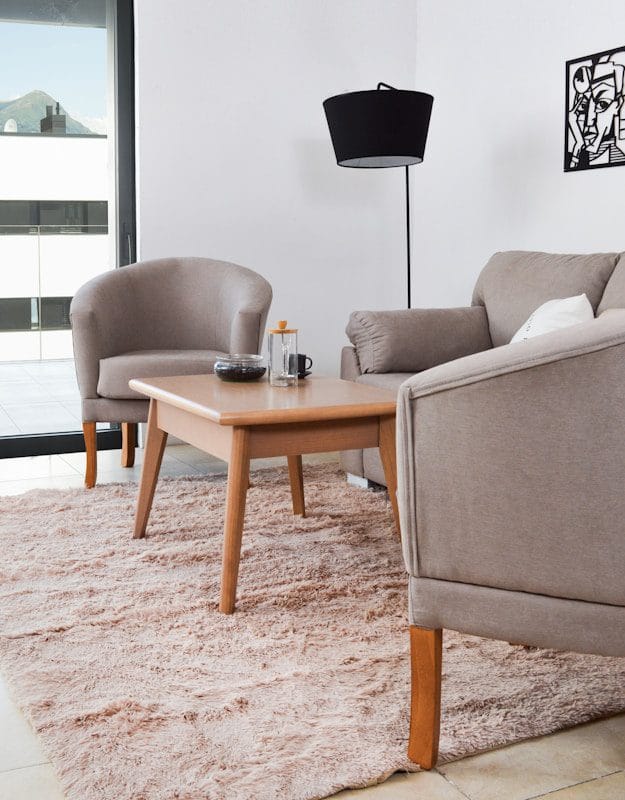
Next, choose colours that promote a calming atmosphere. Soft, neutral tones, such as light blues, greens, or beiges, are ideal for creating a stress-free environment. These colours have been shown to reduce feelings of tension and help the mind relax.
By incorporating these soothing shades into your walls, furniture, or accessories, you can enhance the serenity of your space. A calming colour palette invites tranquility and subtly shifts the emotional tone of the room.
Step 3: Invest in Comfortable Furniture
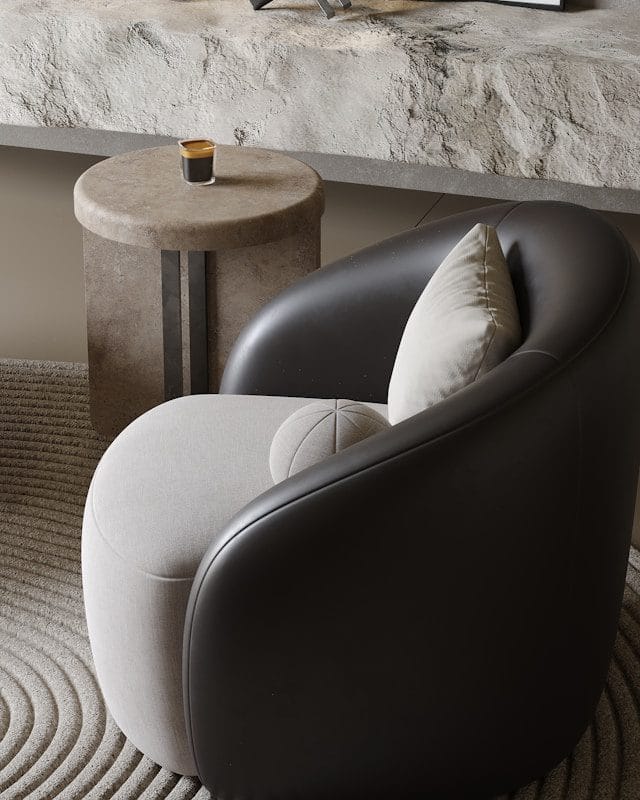
When designing a calm, stress-free living space, comfort should be a top priority. Choose furniture that supports relaxation and rest. Soft fabrics, supportive chairs, and cosy cushions can make all the difference when it comes to the mood of a room.
Opt for furniture that encourages ease and comfort, such as plush sofas or supportive armchairs. The right furniture can transform a room into a sanctuary where you can fully unwind and feel at ease.
Step 4: Use Natural Light
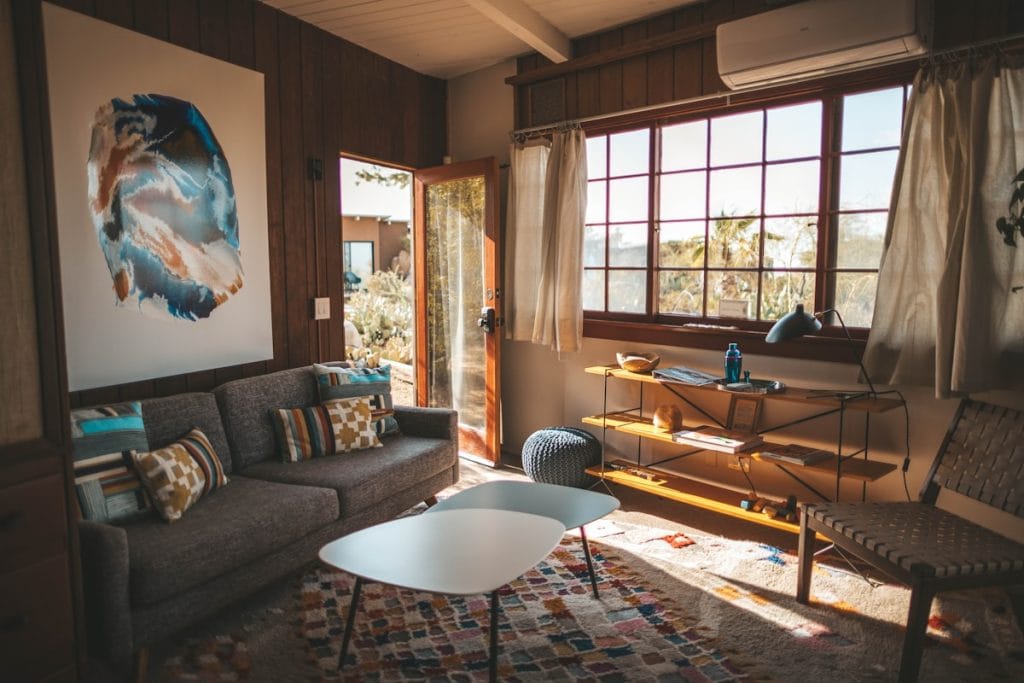
Allowing natural light to fill your space can significantly improve both the aesthetic and mood of your home. Natural light is known to boost mood and energy levels, making your living area feel more open and welcoming. When possible, open your curtains or blinds during the day to let the sunlight in.
The warmth and brightness of daylight also have positive effects on your emotional health, helping to alleviate stress and enhance your overall well-being.
Step 5: Add Plants for Freshness
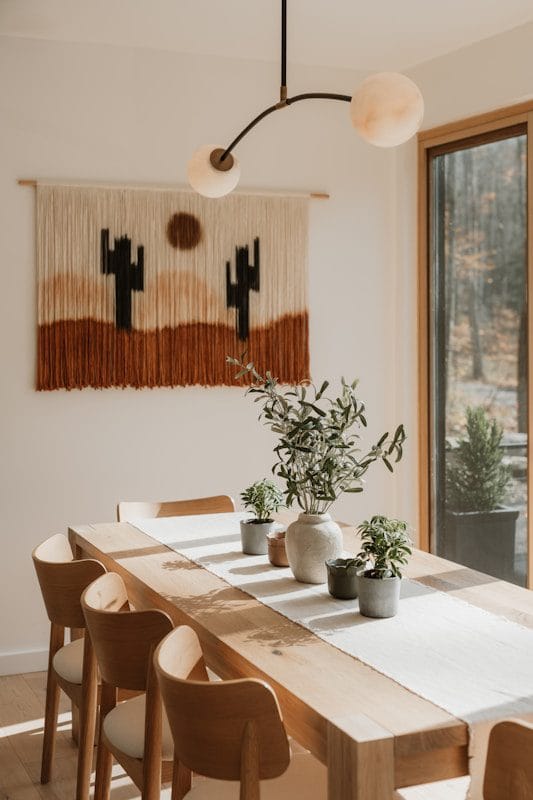
Integrating plants into your living space is another simple yet effective way to create a stress-free environment. Plants purify the air, bring a sense of nature indoors, and add an element of calm to any room.
By incorporating a variety of plants, you not only improve the atmosphere but also bring life to your home. The presence of greenery can instantly make a space feel more grounded and soothing.
Step 6: Create a Relaxation Zone
Designate a specific area in your home for relaxation. Whether it’s a reading nook, meditation corner, or a cosy spot with soft lighting, having a dedicated space for unwinding is essential for a stress-free living space. This zone allows you to fully disconnect from the outside world and focus on relaxation.
By creating a peaceful retreat within your home, you give yourself a place to recharge and escape daily stress. A simple, calming zone can make a world of difference in your overall well-being.
Step 7: Introduce Soft Textures
Incorporating soft textures into your home is another effective way to create a calm, stress-free living space. Think plush throws, fluffy rugs, and soft cushions that invite you to relax and unwind. These tactile elements add comfort and warmth, making the space feel inviting and cosy.
Textural contrasts, such as velvet cushions or wool throws, can elevate the tactile experience in your home, enhancing the emotional comfort of your environment.
Step 8: Minimise Noise
Another important aspect of a stress-free home is reducing unnecessary noise. While some ambient noise can be soothing, loud or constant disruptions can heighten stress and anxiety. Consider adding soundproofing elements or using white noise machines to create a quieter environment.
By minimising harsh noises, you help maintain a calm atmosphere, ensuring your space remains peaceful and conducive to relaxation.
Step 9: Keep the Air Fresh
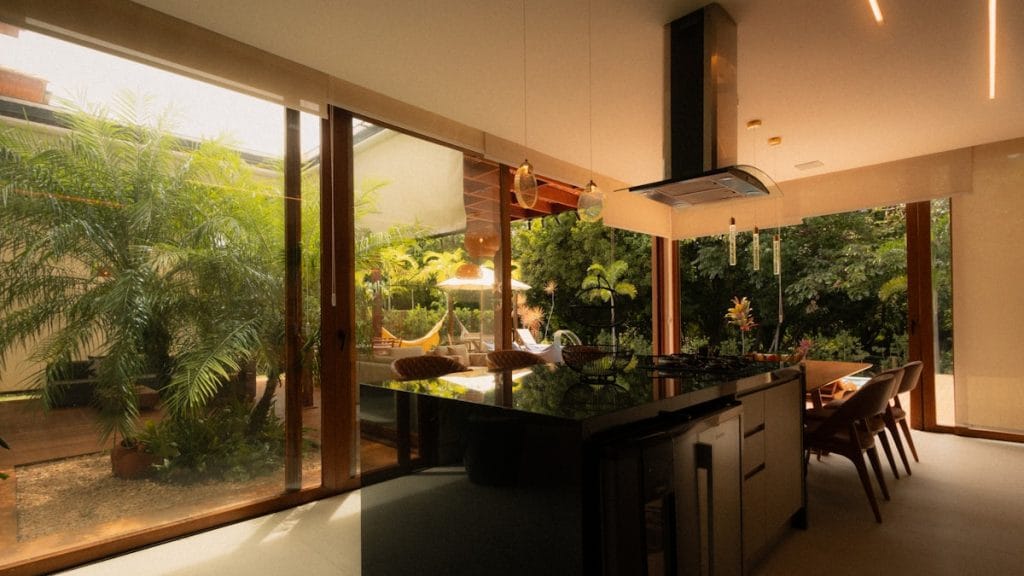
Fresh air is essential for a stress-free living space. Poor air quality can lead to discomfort and contribute to stress. Open your windows regularly to let in fresh air and consider using air purifiers or essential oil diffusers to enhance the atmosphere.
A well-ventilated space not only improves physical comfort but also positively impacts your emotional well-being. Breathing clean, fresh air can help clear your mind and reduce feelings of stress.
Step 10: Personalise Your Space
Finally, personalise your living space with meaningful items. Whether it’s artwork, family photos, or items that bring you joy, personal touches make a house feel like a home. These details enhance the emotional connection you have with your space, making it feel more comfortable and unique.
Personalising your space also allows you to create an environment that truly reflects your personality and style, which can contribute to a deeper sense of contentment.
FAQ
Q1: How can I make my living room feel calmer?
A1: To make your living room feel calmer, focus on decluttering, using soft, neutral colours, and incorporating comfortable furniture. Adding plants and plenty of natural light can also help create a relaxing environment.
Q2: What colours are best for creating a stress-free home?
A2: Soft, neutral colours such as light blues, greens, and beiges are ideal for creating a calm, stress-free atmosphere. These shades promote relaxation and enhance the serenity of your space.
Conclusion
Creating a calm, stress-free living space is a simple yet powerful way to improve your overall well-being. By decluttering, choosing calming colours, and incorporating comfortable elements like furniture and plants, you can easily transform your home into a sanctuary. Small, thoughtful changes can make a big impact on how you feel in your own space. If you’d like more inspiration for home design, check out our previous article on minimalist interior design.
In the end, a peaceful home environment is within your reach, and with a little effort, you can create a space that supports your emotional and physical health. This idea connects perfectly to what we covered in the previous article, 7 Simple Steps to a Stress-Free, Clutter-Free Home.