
Introduction
Firstly, stopping clutter returning is not just about tidiness; it’s about creating a home that nurtures your mood and emotional wellbeing. Often, clutter quietly builds stress and disrupts comfort, even when the mess is small. By tackling it consistently, you can enjoy a calmer, more inviting environment that subtly boosts how you feel every day.
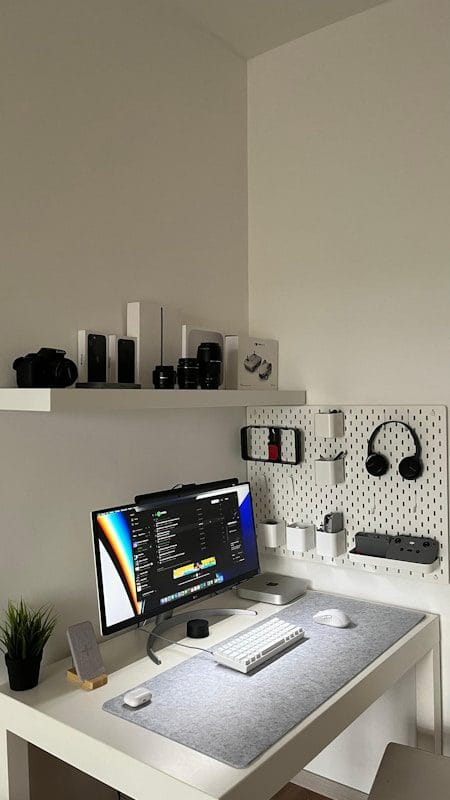
Secondly, the process of keeping clutter at bay becomes easier when you understand the underlying habits that cause it to return. A home free of excess items feels more spacious, organised, and soothing — which naturally encourages relaxation and mental clarity. Focusing on practical steps can help you maintain this positive emotional atmosphere effortlessly.
Finally, integrating small, consistent habits to stop clutter returning allows your home to reflect the mood you want to feel. Each room can become a sanctuary where functionality meets calm, giving you a sense of control and serenity that extends beyond your surroundings.
Step 1: Identify Problem Areas
Firstly, take time to walk through your home and pinpoint spaces where clutter consistently accumulates. These hotspots are usually near entrances, countertops, and communal living areas. By understanding exactly where clutter returns, you can prioritise your efforts and prevent future build-up. Addressing these areas intentionally will help maintain a more peaceful atmosphere, as your home begins to feel orderly and emotionally lighter.
Step 2: Commit to a Daily Reset
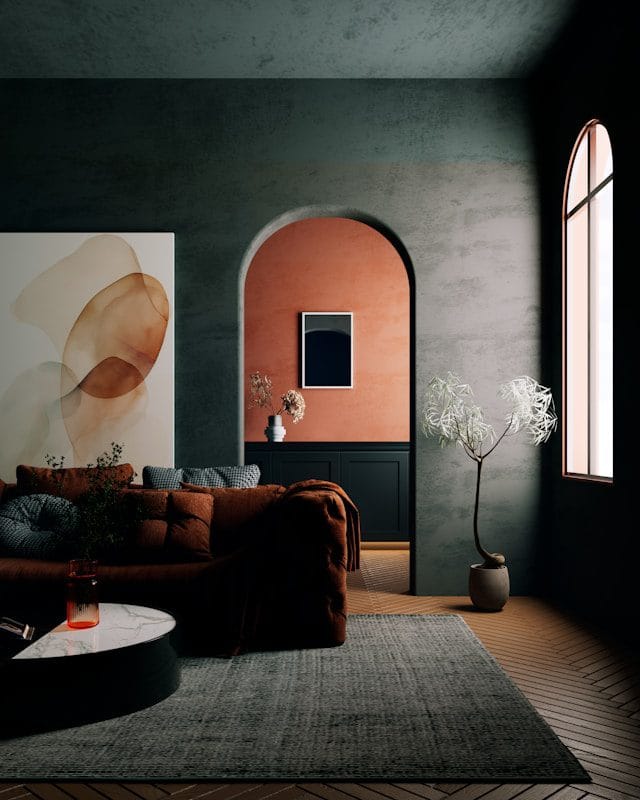
Next, dedicate just 10–15 minutes each day to a quick reset of clutter-prone areas. Whether it’s clearing a coffee table, tidying your bedroom, or organising the kitchen counters, daily attention prevents small messes from snowballing. This simple habit creates a subtle sense of accomplishment and calm, making your living space consistently inviting and mood-enhancing.
Step 3: Sort Items with Purpose
Additionally, adopt the habit of sorting items by use and importance. Ask yourself if each item truly belongs in your home or serves your lifestyle. Items that no longer fit your needs should be donated, recycled, or stored elsewhere. Purposeful sorting reduces mental clutter as well as physical mess, allowing your home to feel lighter, more spacious, and emotionally restorative.
Step 4: Create Dedicated Storage Spaces
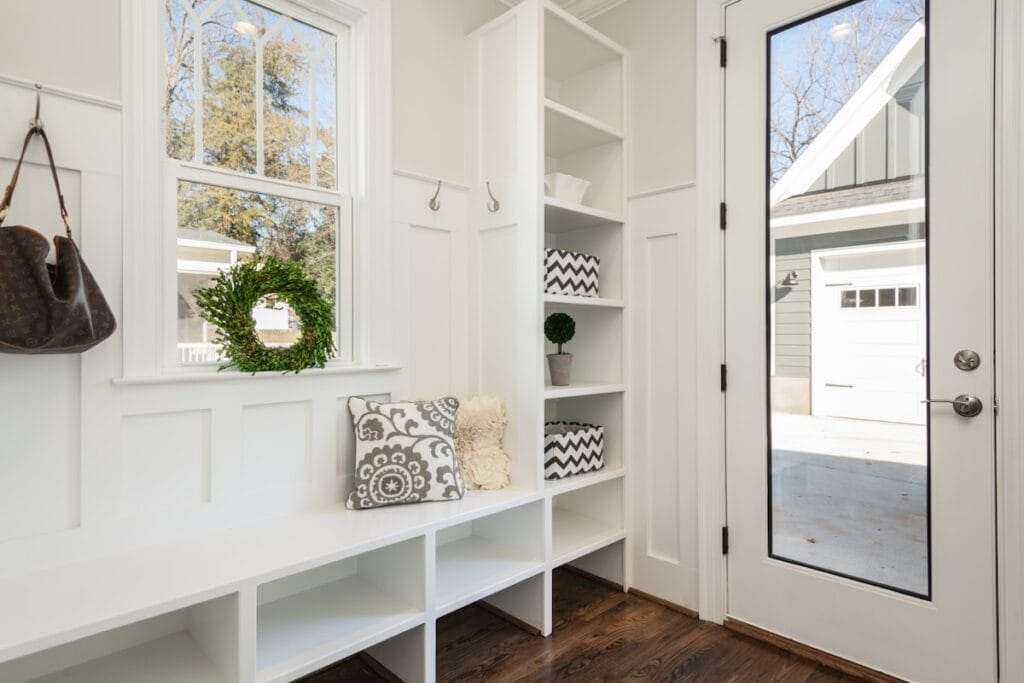
Furthermore, assign every item a home of its own. When you know exactly where things belong, returning them becomes automatic and effortless. Use baskets, drawers, or shelving that suits the room’s function and aesthetic. This structure not only stops clutter returning but also promotes a sense of calm and order that improves how the space feels to live in.
Step 5: Implement the “One In, One Out” Rule
Moreover, prevent unnecessary accumulation by practising the “one in, one out” rule. For every new item brought into your home, remove an existing one. This simple approach ensures your belongings remain balanced and prevents hidden clutter from creeping back. Over time, this habit supports a consistently tidy, mood-lifting environment that doesn’t feel overwhelming.
Step 6: Designate a Clutter-Free Zone
In addition, establish at least one clutter-free zone in your home. It could be a favourite chair, a meditation corner, or the dining table. By maintaining a space completely free of excess items, you create an immediate visual and emotional sanctuary. This area becomes a daily reminder of order and comfort, reinforcing the calm, restorative mood of your home.
Step 7: Maintain Regular Decluttering Sessions
Finally, schedule regular decluttering sessions, such as once a month or each season. Use these times to reassess possessions, donate unused items, and refresh storage systems. Consistent attention prevents clutter from creeping back unnoticed and supports a home environment that is both physically organised and emotionally uplifting. By committing to these cycles, you protect the peace and spaciousness of your living space.
FAQ
How long does it take to stop clutter returning?
Generally, adopting these habits consistently for a few weeks can produce noticeable results. Daily attention and periodic decluttering ensure clutter doesn’t accumulate and that your home maintains its calm, inviting mood.
Can minimalism help prevent clutter from returning?
Yes, minimalism naturally limits excess items, making it easier to keep spaces tidy. Even small steps towards fewer possessions support a cleaner, more peaceful home environment that positively impacts your mood.
What if I live with others who create clutter?
It’s helpful to communicate shared expectations and designate spaces for each person’s belongings. Consistent habits and collective participation in decluttering can maintain a harmonious, clutter-free home that nurtures everyone’s emotional wellbeing.
Conclusion
Ultimately, stopping clutter returning is a process of building simple, consistent habits that support both physical order and emotional calm. By addressing problem areas, committing to daily resets, and using dedicated storage systems, your home becomes a space where comfort and peace are effortless. This approach naturally reinforces positive feelings in your home, which we explored in our previous article.
Moreover, reflecting on the ways your home affects your mood can transform tidying from a chore into a mindful practice. Each small step towards maintaining order contributes to a living environment that quietly improves your wellbeing, encourages relaxation, and sustains a positive emotional atmosphere.
This idea connects perfectly to what we covered in the previous article, Daily Spacious Habits That Instantly Make Your Home Feel Peaceful.
1 thought on “7 Simple Ways to Stop Clutter Returning for Good”